Galleon 2026Download our mobile shopping application for faster and easy transaction.
Product ID:
1500395
Identifier:
0262549042
Brand:
MIT Press
Model:
Shipping Weight:
0.77 lbs
Manufacturer:
The MIT Press
Shipping Dimension:
8.9 x 6.06 x 0.91 inches
₱2,963
+ ₱ 504
Shipping Cost from USA to Philippines inclusive of custom fees.
Cost too high? Check weight and dimension on product details and click "I think this is wrong?" link.
Get it between 2026-04-24 to 2026-05-01.
Additional 3 business days for provincial shipping.
- Price and Stocks may change without prior notice
- Packaging of actual item may differ from photo shown
Cash upon Pick-up - orders grand total must not exceed ₱5,000.00. Order will be pickup at Galleon's Office.
Cash on Delivery - orders grand total must not exceed of ₱10,000.00 and must not exceed ₱5,000.00 for provincial areas. See all payment methods
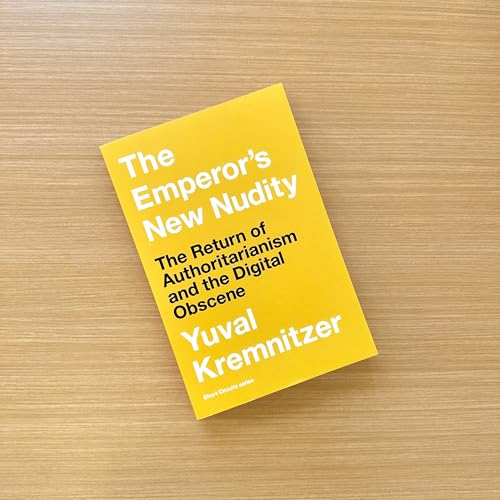
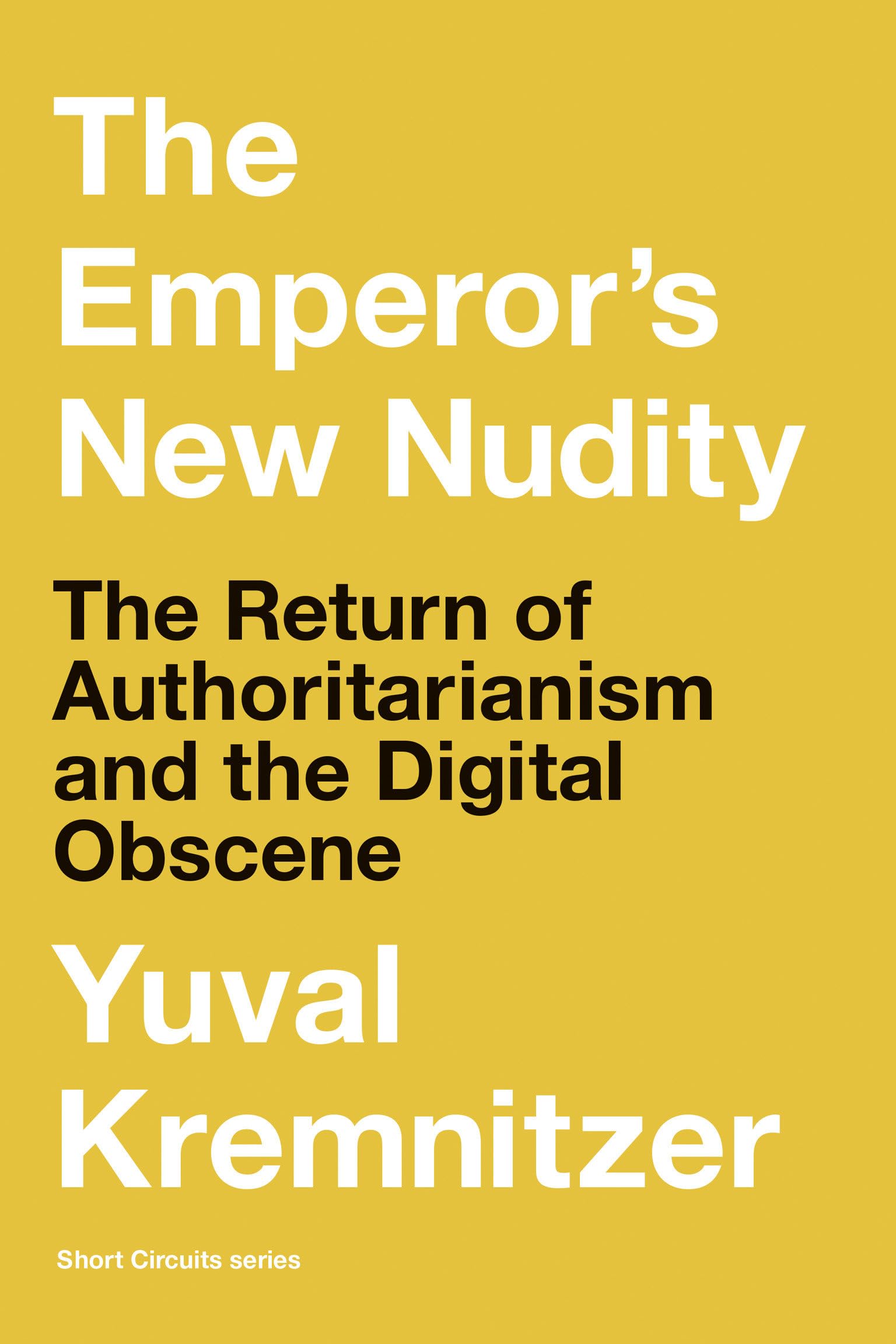
An analysis of contemporary authoritarianism and the medium in which it flourishes, the internet, as well as what lies at the complex intersection of authority and technology. In recent decades, a new style of authoritarian politics has taken hold throughout the liberal-democratic world. The new authority figures are characterized by obscene, transgressive behavior, reminiscent of the “crowd” leader as theorized by Freud, only far less transient. In The Emperor's New Nudity, Yuval Kremnitzer considers the fraught intersection of authority and technology—the internet being the medium that has allowed contemporary authoritarianism to thrive—asking foundational questions such as: How can we think of the network as a social phenomenon? What can social and political phenomena teach us about the nature of the new technology? And how does technology reshape the very fabric of social and political life? Technology, Kremnitzer writes, leads us toward an impersonal and hyperrational world to such an extent that it renders human subjectivity outmoded. Authority, on the other hand, anchors our subjective identifications to certain figures and seems to be hopelessly primitive and irrational. What is required, then, is a dialectics of the primal—a study of the way in which what strikes us as essential enters into the dynamics of historical change. From this perspective, authority and technology can be said to be divided by a common object—the unwritten law, and the special knowledge that pertains to it: a knowledge without knowers.

Buy products not available in the Philippines.