Galleon 2026Download our mobile shopping application for faster and easy transaction.
Product ID:
841456
Identifier:
B09CKTZDQB
Brand:
Greenhouse PCA
Model:
Shipping Weight:
0 lbs
Manufacturer:
Greenhouse PCA
Shipping Dimension:
0 x 0 x 0 inches
Price of this item is not available.
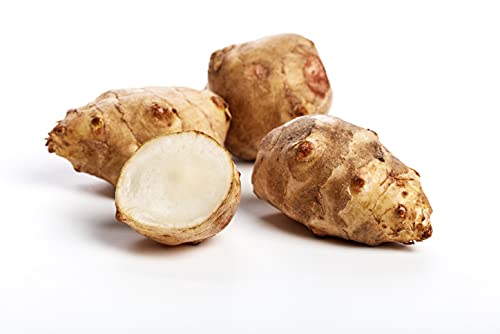
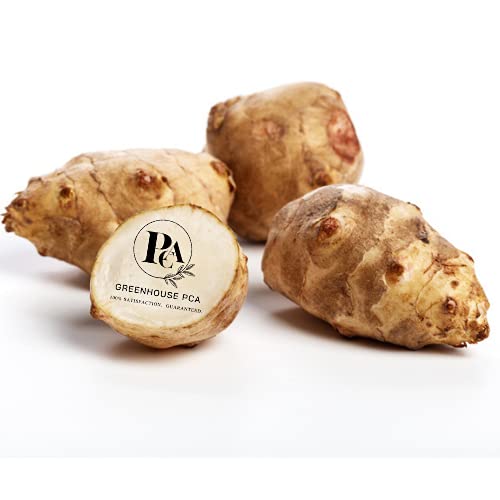
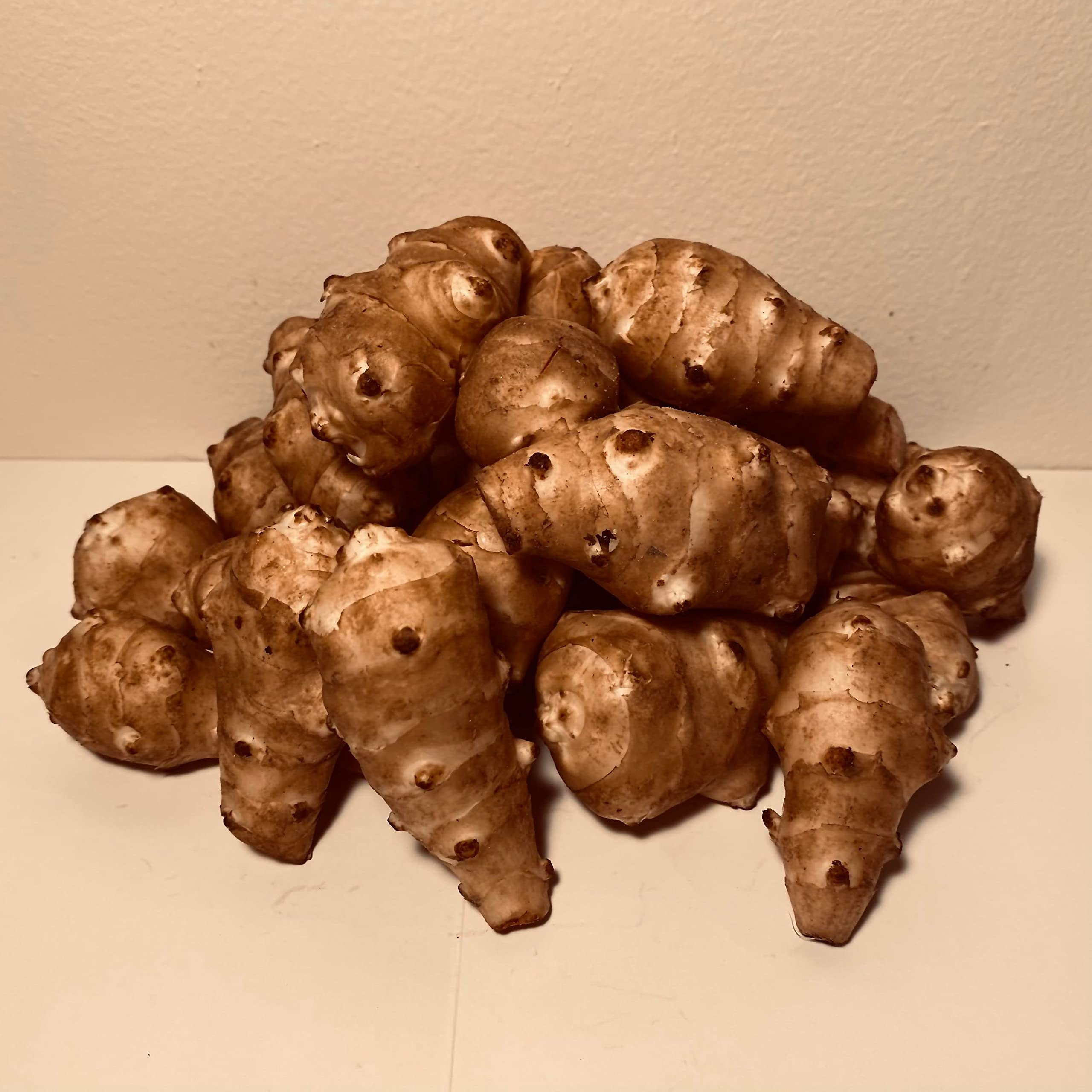
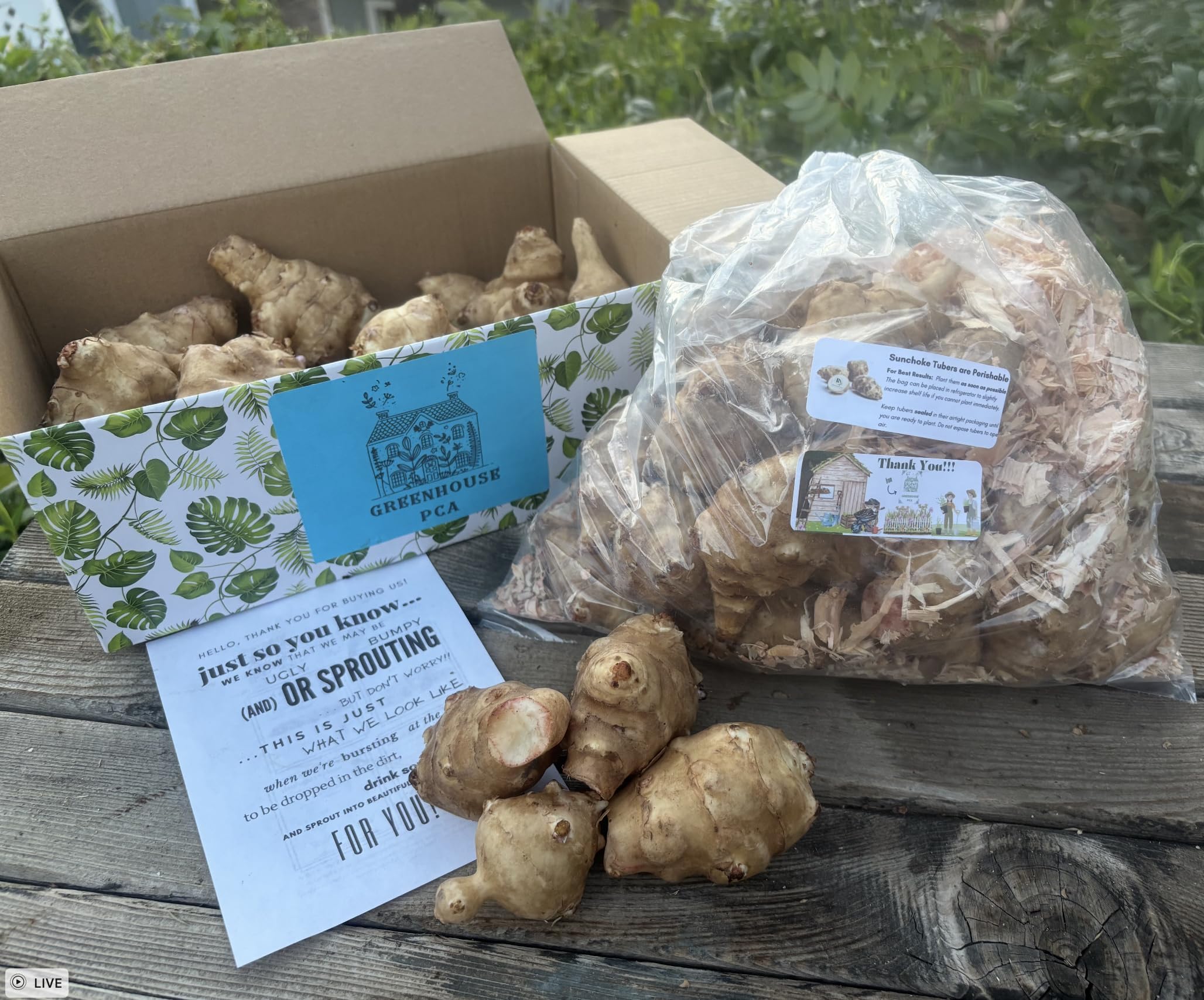
2.5 Pounds of Fresh Jerusalem Artichokes
Sunchokes can be eaten raw or cooked
Delicious nutty flavor
Loaded with inulin
Can be planted in spring or fall
Looking for a trouble-free crop that produces well, with little attention, even in poor soil? Jerusalem artichokes, also known as sunchokes, are a wild native to Eastern North America. These hardy members of the sunflower family do not suffer from any disease or insect pests, and will out-compete the most persistent weeds. A perennial in Zones 3-8, tubers planted any time produce flower stalks which grow 6-8 feet tall. In June-July brilliant yellow blossoms form, attracting seed eating birds through summer. As the plants mature in late summer, an abundance of tasty edible tubers begin to heave up the soil at the base of the plan). Tubers may be left in the ground and harvested as desired. Frost and cold temperatures do no harm to the tubers, and improves the nutty flavor as well as serving as the best method of storing your crop. In areas where the ground freezes in winter, apply a thick layer of mulch to allow for easy harvest. Tubers left in the ground until spring will sprout a new crop of flowers, and a new crop of delicious sunchoke tubers. In a location that can be dedicated to this perennial crop, plant 1-2 ounce pieces of tuber, with at least two "eyes", 4 inches deep, 12-18 inches apart, in rows 18-36 inches apart. Deep sandy loam is best, but clay amended with organic matter will produce up to two pounds or more of good quality tuber per plant. 1 pound (see photo) of tubers yields enough "seed" pieces for approximately 16 plants, and should be planted as soon as the tubers are received. Tubers may be stored at 32˚ - 40˚F and 90-95% humidity for a short period of time, as long as they are prevented from drying out. (Pack in damp sand or peat moss) Eaten raw as a snack or in salads, as a water chestnut substitute in Asian stir fry, or as a potato substitute in a variety of dishes.

Buy products not available in the Philippines.