Galleon 2026Download our mobile shopping application for faster and easy transaction.
Product ID:
1543568
Identifier:
1421449463
Brand:
Johns Hopkins University Press
Model:
Shipping Weight:
0.9 lbs
Manufacturer:
Johns Hopkins University Press
Shipping Dimension:
9.33 x 6.34 x 0.83 inches
₱4,790
₱2,671
+ ₱ 504
Shipping Cost from USA to Philippines inclusive of custom fees.
Cost too high? Check weight and dimension on product details and click "I think this is wrong?" link.
Get it between 2026-04-28 to 2026-05-05.
Additional 3 business days for provincial shipping.
- Price and Stocks may change without prior notice
- Packaging of actual item may differ from photo shown
Cash upon Pick-up - orders grand total must not exceed ₱5,000.00. Order will be pickup at Galleon's Office.
Cash on Delivery - orders grand total must not exceed of ₱10,000.00 and must not exceed ₱5,000.00 for provincial areas. See all payment methods
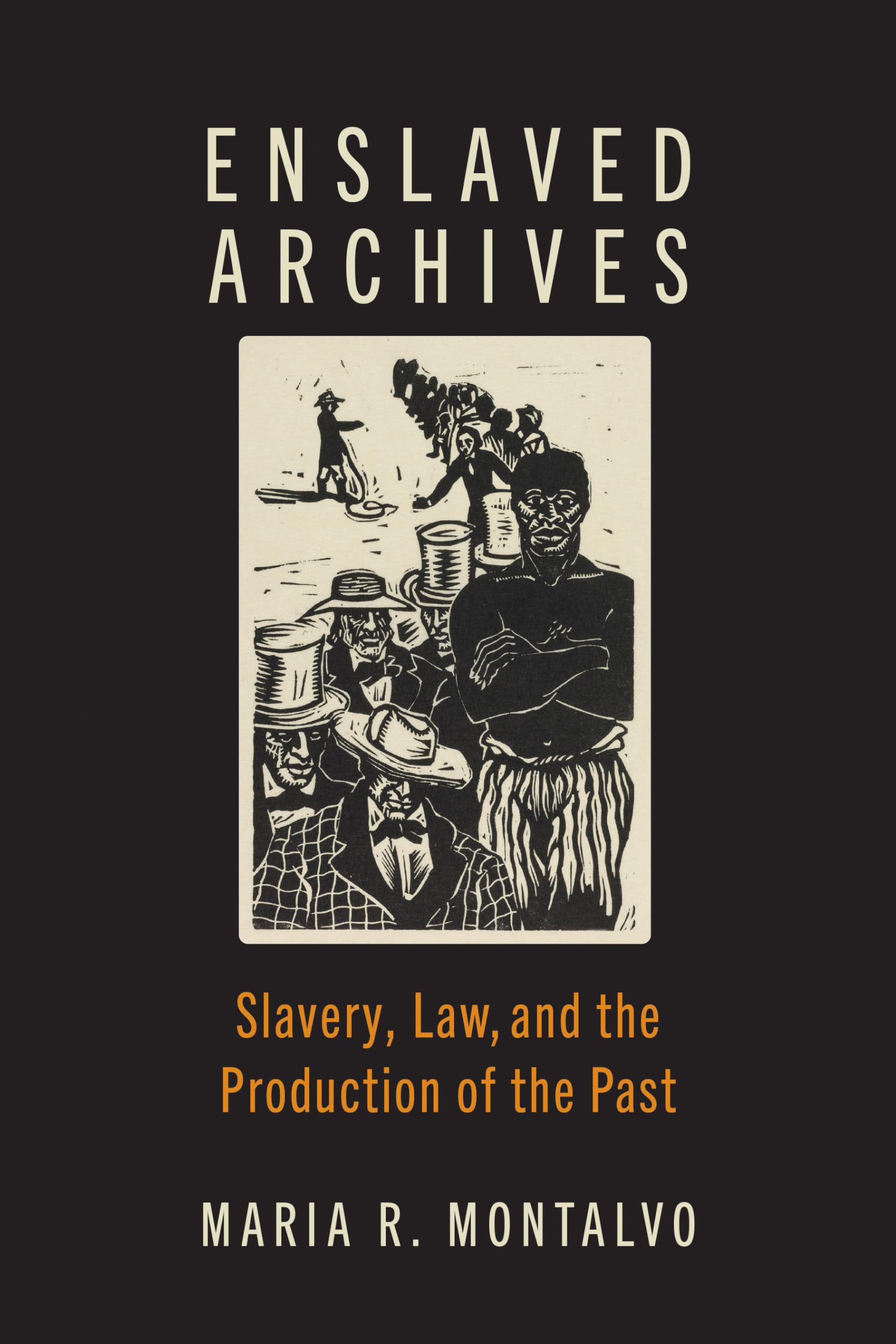
Explores the relationship between the production of enslaved property and the production of the past in the antebellum United States. It is extraordinarily difficult for historians to reconstruct the lives of individual enslaved people. Records―where they exist―are often fragmentary, biased, or untrue. In Enslaved Archives, Maria R. Montalvo investigates the legal records, including contracts and court records, that American antebellum enslavers produced and preserved to illuminate enslavers' capitalistic motivations for shaping the histories of enslaved people. The documentary archive was not simply a by-product of the business of slavery, but also a necessary tool that enslavers used to exploit the people they enslaved. Building on Montalvo's analysis of more than 18,000 sets of court records, Enslaved Archives is a close study of what we can and cannot learn about enslaved individuals from the written record. By examining five lawsuits in Louisiana, Montalvo deconstructs enslavers' cases―the legal arguments and rhetorical strategies they used to produce information and shape perceptions of enslaved people. Commodifying enslaved people was not simply a matter of effectively exploiting their labor. Enslavers also needed to control information about those people. Enslavers' narratives―carefully manipulated, prone to omissions, and sometimes false―often survive as the only account of an enslaved individual's life. In working to historicize the people at the center of enslavers' manipulations, Montalvo outlines the possibilities and limits of the archive, providing a glimpse of the historical and contemporary consequences of commodification. Enslaved Archives makes a significant intervention in the history of enslaved people, legal history, and the history of slavery and capitalism by adding a qualitative dimension to the analysis of how enslavers created and maintained power.

Buy products not available in the Philippines.


