Galleon 2026Download our mobile shopping application for faster and easy transaction.
Product ID:
1447156
Identifier:
1416610480
Brand:
ASCD
Model:
Shipping Weight:
0.5 lbs
Manufacturer:
ASCD
Shipping Dimension:
8.82 x 6.89 x 0.39 inches
₱3,124
₱911
+ ₱ 252
Shipping Cost from USA to Philippines inclusive of custom fees.
Cost too high? Check weight and dimension on product details and click "I think this is wrong?" link.
Get it between 2026-04-19 to 2026-04-26.
Additional 3 business days for provincial shipping.
- Price and Stocks may change without prior notice
- Packaging of actual item may differ from photo shown
Cash upon Pick-up - orders grand total must not exceed ₱5,000.00. Order will be pickup at Galleon's Office.
Cash on Delivery - orders grand total must not exceed of ₱10,000.00 and must not exceed ₱5,000.00 for provincial areas. See all payment methods
Used Book in Good Condition
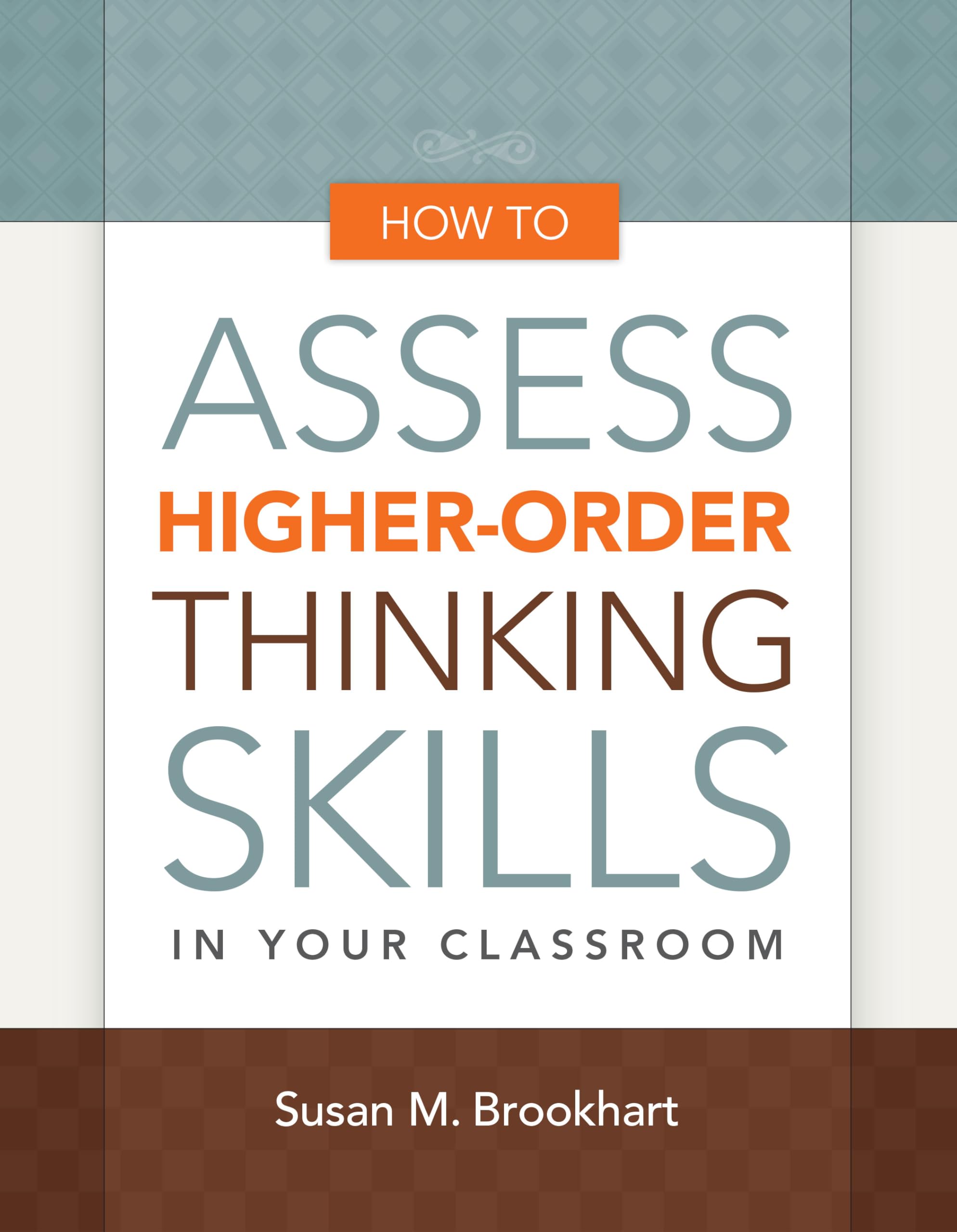
Educators know it's important to get students to engage in "higher-order thinking." But what does higher-order thinking actually look like? And how can K-12 classroom teachers assess it across the disciplines? Author, consultant, and former classroom teacher Susan M. Brookhart answers these questions and more in this straightforward, practical guide to assessment that can help teachers determine if students are actually displaying the kind of complex thinking that current content standards emphasize. Brookhart begins by laying out principles for assessment in general and for assessment of higher-order thinking in particular. She then defines and describes aspects of higher-order thinking according to the categories established in leading taxonomies, giving specific guidance on how to assess students in the following areas: * Analysis, evaluation, and creation * Logic and reasoning * Judgment * Problem solving * Creativity and creative thinking Examples drawn from the National Assessment of Educational Progress and from actual classroom teachers include multiple-choice items, constructed-response (essay) items, and performance assessment tasks. Readers will learn how to use formative assessment to improve student work and then use summative assessment for grading or scoring. Aimed at elementary, middle, and high school teachers in all subject areas, How to Assess Higher-Order Thinking Skills in Your Classroom provides essential background, sound advice, and thoughtful insight into an area of increasing importance for the success of students in the classroom—and in life.

Buy products not available in the Philippines.


