Galleon 2026Download our mobile shopping application for faster and easy transaction.
Product ID:
1535262
Identifier:
1108839290
Brand:
Cambridge University Press
Model:
Shipping Weight:
1.07 lbs
Manufacturer:
Cambridge University Press
Shipping Dimension:
9.29 x 6.26 x 0.67 inches
₱3,938
₱3,007
+ ₱ 630
Shipping Cost from USA to Philippines inclusive of custom fees.
Cost too high? Check weight and dimension on product details and click "I think this is wrong?" link.
Get it between 2026-05-01 to 2026-05-08.
Additional 3 business days for provincial shipping.
- Price and Stocks may change without prior notice
- Packaging of actual item may differ from photo shown
Cash upon Pick-up - orders grand total must not exceed ₱5,000.00. Order will be pickup at Galleon's Office.
Cash on Delivery - orders grand total must not exceed of ₱10,000.00 and must not exceed ₱5,000.00 for provincial areas. See all payment methods
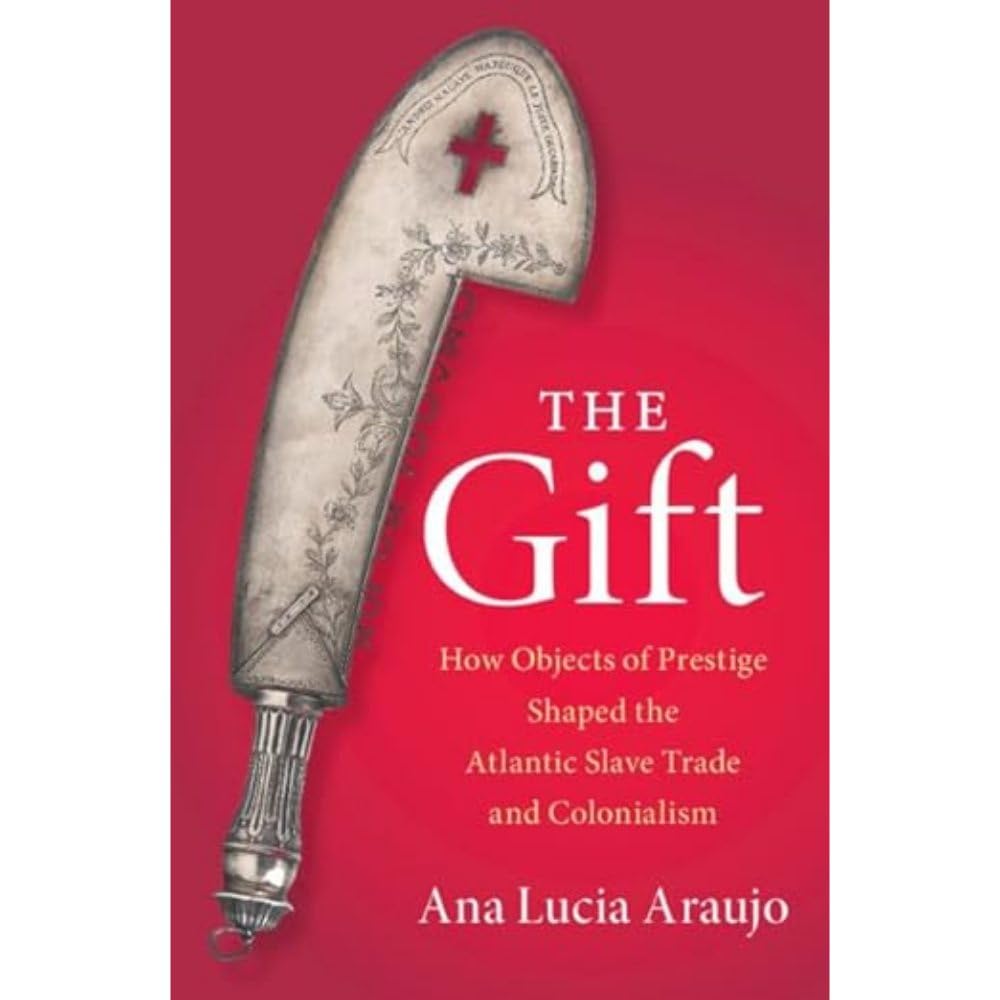
The Gift explores how objects of prestige contributed to cross-cultural exchanges between Africans and Europeans during the Atlantic slave trade. An eighteenth-century silver ceremonial sword, commissioned in the port of La Rochelle by French traders, was offered as a gift to an African commercial agent in the port of Cabinda (Kingdom of Ngoyo), in twenty-first century Angola. Slave traders carried this object from Cabinda to Abomey, the capital of the Kingdom of Dahomey in twenty-first century's Republic of Benin, from where French officers looted the item in the late nineteenth century. Drawing on a rich set of sources in French, English, and Portuguese, as well as artifacts housed in museums across Europe and the Americas, Ana Lucia Araujo illuminates how luxury objects impacted European–African relations, and how these economic, cultural, and social interactions paved the way for the European conquest and colonization of West Africa and West Central Africa.

Buy products not available in the Philippines.