Galleon 2026Download our mobile shopping application for faster and easy transaction.
Product ID:
509169
Identifier:
0691180164
Brand:
Model:
Shipping Weight:
2.38 lbs
Manufacturer:
Princeton University Press
Shipping Dimension:
9.57 x 6.65 x 1.34 inches
₱3,793
₱2,149
+ ₱ 1,323
Shipping Cost from USA to Philippines inclusive of custom fees.
Cost too high? Check weight and dimension on product details and click "I think this is wrong?" link.
Get it between 2026-06-15 to 2026-06-22.
Additional 3 business days for provincial shipping.
- Price and Stocks may change without prior notice
- Packaging of actual item may differ from photo shown
Cash upon Pick-up - orders grand total must not exceed ₱5,000.00. Order will be pickup at Galleon's Office.
Cash on Delivery - orders grand total must not exceed of ₱10,000.00 and must not exceed ₱5,000.00 for provincial areas. See all payment methods
Orders are despatched from our UK warehouse next working day.
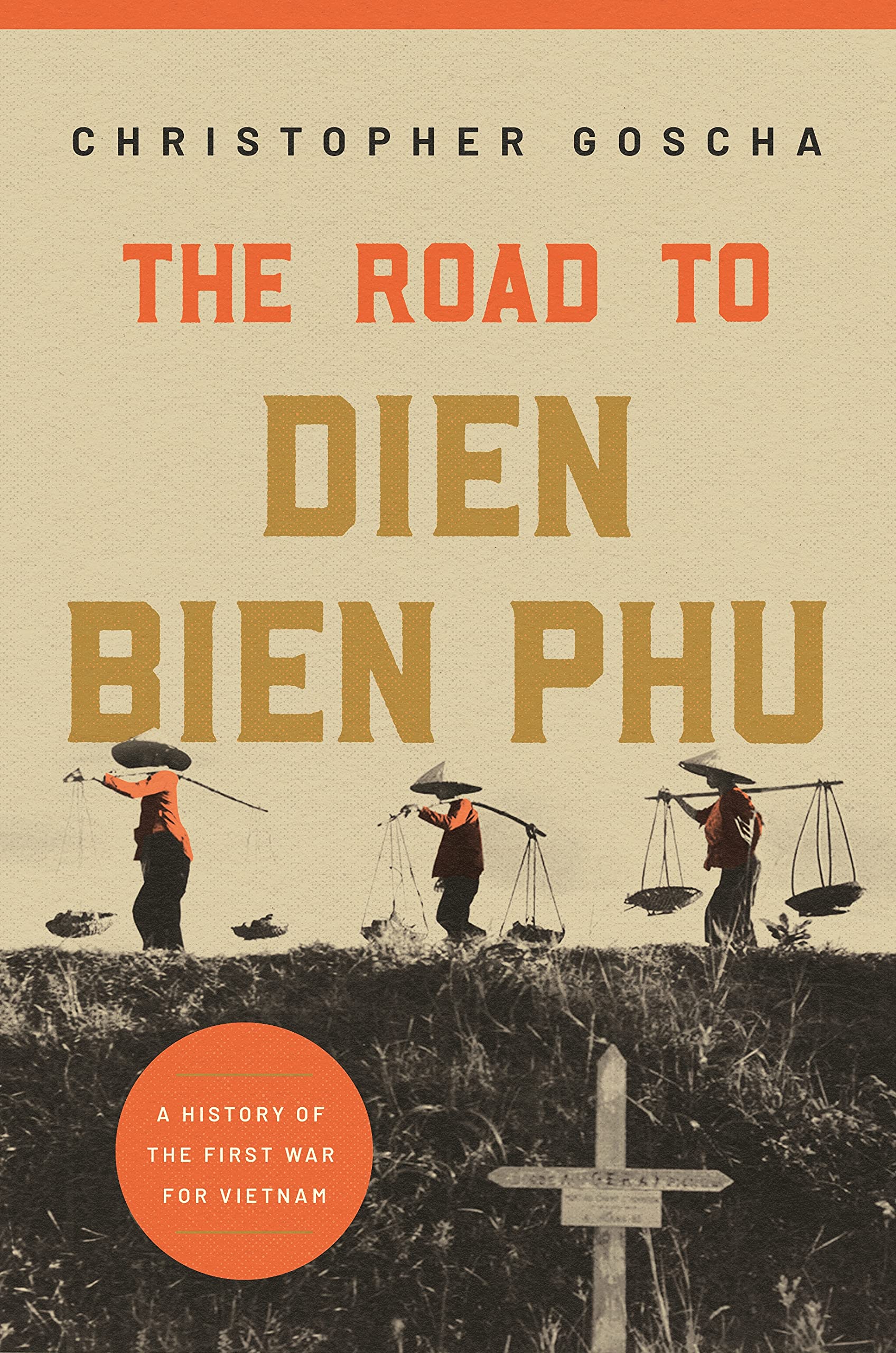
A multifaceted history of Ho Chi Minh’s climactic victory over French colonial might that foreshadowed America’s experience in Vietnam On May 7, 1954, when the bullets stopped and the air stilled in Dien Bien Phu, there was no doubt that Vietnam could fight a mighty colonial power and win. After nearly a decade of struggle, a nation forged in the crucible of war had achieved a victory undreamed of by any other national liberation movement. The Road to Dien Bien Phu tells the story of how Ho Chi Minh turned a ragtag guerrilla army into a modern fighting force capable of bringing down the formidable French army. Taking readers from the outbreak of fighting in 1945 to the epic battle at Dien Bien Phu, Christopher Goscha shows how Ho transformed Vietnam from a decentralized guerrilla state based in the countryside to a single-party communist state shaped by a specific form of “War Communism.” Goscha discusses how the Vietnamese operated both states through economics, trade, policing, information gathering, and communications technology. He challenges the wisdom of counterinsurgency methods developed by the French and still used by the Americans today, and explains why the First Indochina War was arguably the most brutal war of decolonization in the twentieth century, killing a million Vietnamese, most of them civilians. Panoramic in scope, The Road to Dien Bien Phu transforms our understanding of this conflict and the one the United States would later enter, and sheds new light on communist warfare and statecraft in East Asia today.


Buy products not available in the Philippines.


